

If flushing the toilet sends water into the shower, stop using water. Pause the dishwasher and washing machine, keep people and pets away from wastewater, and leave the cleanout cap in place.
If the City of Tampa provides your sewer service, report a backup or overflow to the city at 813-247-3451. Outside its service area, call your own wastewater utility. City of Tampa Wastewater
If the blockage is on your side of the line, request drain cleaning in Tampa or call Titan Plumbing and Electric at 813-933-8010. Tell the dispatcher which fixtures backed up and whether wastewater is still rising.
What Is the Main Sewer Line?
The main sewer line is a critical part of your home’s plumbing system, carrying wastewater from your sinks, toilets, and showers to the municipal sewer system or septic tank. When this line becomes clogged, it can cause severe plumbing issues throughout your home.
Signs of a Clogged Main Sewer Line
A clogged main sewer line can cause significant disruptions to your home’s plumbing system and lead to costly repairs if not addressed promptly. Recognizing the warning signs early can help you mitigate damage and restore normal functionality to your system. Below are the most common indicators that your main sewer line may be clogged.
Multiple Drain Backups
When multiple drains in your home begin to back up simultaneously, it is a clear indication that the problem is located in the main sewer line rather than an individual drain. This issue often becomes apparent when fixtures in different areas of the house experience problems at the same time, such as a sink draining slowly, a toilet overflowing, or water pooling in the bathtub while the washing machine is running.
The main sewer line serves as the central hub for all wastewater in your home, so a blockage here impacts every connected fixture. Ignoring these backups can result in extensive water damage, unsanitary conditions, and the need for emergency plumbing services.
Gurgling Sounds
Strange gurgling or bubbling noises coming from your drains or toilets are a telltale sign of air trapped in your plumbing system due to a blockage in the main sewer line. These sounds are often most noticeable after flushing a toilet or when water is draining from a sink. The blockage creates pressure that forces air back up through the pipes, resulting in the distinct gurgling noise.
While this may seem like a minor annoyance at first, it often precedes more serious problems like wastewater backing up into your home. Left unaddressed, the blockage can grow, causing even more disruption to your plumbing system.
Foul Odors
A strong, unpleasant smell near your drains or outside your home is another common sign of a clogged sewer line. When wastewater is unable to flow freely through the pipes, it begins to accumulate and decompose, releasing foul odors that can seep into your living spaces.
These smells are often most noticeable around sinks, toilets, floor drains, and even outside near sewer access points. The presence of these odors indicates that waste is trapped in the system and unable to pass through, posing not only a plumbing issue but also a potential health hazard for your household.
Water Backflow
Water backflow is one of the most obvious and concerning symptoms of a clogged main sewer line. This occurs when wastewater has nowhere to go due to a blockage and is forced back into your home through the lowest drains. For example, you might flush your toilet and notice water bubbling up in the bathtub or sink.
This cross-contamination of water sources is a serious issue that requires immediate attention from a professional plumber. Not only is it inconvenient, but it also introduces harmful bacteria and contaminants into your home, making it a potential health risk.
Slow Drainage Across the Home
If you notice that all your drains are draining slowly, even after attempts to clear them with plungers or drain cleaners, it is likely a sign of a deeper issue in the main sewer line. Unlike a single clogged fixture, a mainline blockage affects the entire plumbing system, causing widespread drainage problems.
Slow drainage can start as a minor inconvenience but often escalates into more severe symptoms like water backflow and drain backups. This is especially true if you experience slow drainage in frequently used fixtures such as kitchen sinks, bathroom sinks, and showers.
Lawn Changes or Water Pooling Outside
Unusual changes to your lawn, such as patches of exceptionally green or lush grass, can indicate a leak or blockage in the main sewer line. When the line is blocked, wastewater can seep into the surrounding soil, acting as fertilizer for your lawn.
In some cases, you may also notice unexplained water pooling in your yard, particularly near sewer access points or along the path of the underground sewer line. These outdoor symptoms often accompany indoor drainage problems and should not be ignored, as they can lead to more extensive damage to your property and plumbing system.
Frequent Toilet Overflows
Toilets are often the first fixtures to show signs of a sewer line clog because they handle a significant volume of wastewater. If you notice that your toilet frequently overflows or struggles to flush properly despite not being visibly clogged, it could be a symptom of a mainline blockage.
This issue is particularly concerning because it can result in raw sewage backing up into your home, creating a hazardous and unsanitary environment. The problem is unlikely to be resolved on its own and typically requires professional intervention.
Recognizing these signs of a clogged main sewer line can help you take swift action to prevent further damage. If you experience any of these symptoms, it is crucial to contact a licensed plumber as soon as possible to inspect and address the issue.
Delaying repairs can lead to more severe consequences, including extensive property damage, health risks, and costly emergency plumbing services.
Common Causes of Main Sewer Line Clogs
Understanding the root causes can help prevent future issues. The most common culprits include:
1. Tree Roots
Tree roots are a leading cause of sewer line blockages. They grow toward moisture, and your sewer line is a prime target.
2. Grease and Debris
Pouring grease, oils, or food particles down the drain can lead to buildup that eventually blocks the line.
3. Flushing Non-Flushable Items
Items like wet wipes, diapers, and feminine hygiene products can create a major blockage in your sewer line.
4. Pipe Damage
Older homes with deteriorating pipes or homes with improperly installed plumbing are at a higher risk of clogs.
When the same line keeps backing up
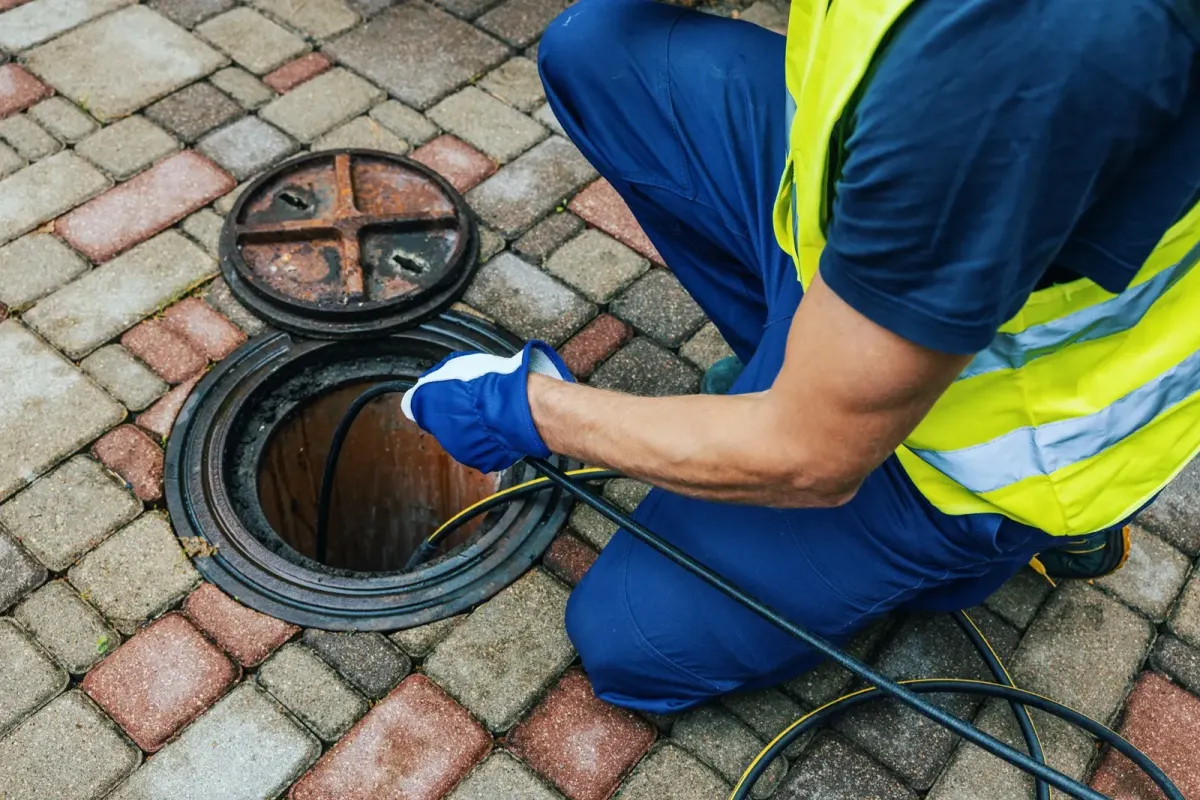
Tell the plumber when the line was last cleared and how long it stayed open. Once water can flow again, a sewer camera inspection can show whether roots have entered at a joint or a section of the pipe has shifted. The footage helps determine whether the line needs cleaning again or a repair.
Preventing Future Clogs
Once the immediate issue is resolved, take these steps to avoid future clogs:
1. Be Mindful of What You Flush
Only flush toilet paper and human waste. Dispose of non-flushable items in the trash.
2. Avoid Pouring Grease Down the Drain
Let cooking grease cool, then dispose of it in a sealed container instead of pouring it down the sink.
3. Schedule Regular Maintenance
Routine inspections and cleanings by professionals can catch minor issues before they become major problems.
4. Consider a Root Barrier
If tree roots are an ongoing issue, consult with a professional about installing a root barrier to protect your sewer line.
- Published at January 30, 2025
- Category: Sewer Line
Need help with this?
Talk to a real Tampa dispatcher.
Same-day service, flat-rate pricing, A+ BBB rated.