


A 4-point inspection in Florida is a short report, usually about an hour on site, that an insurance company uses to decide if it will cover a house. It looks at four things: the roof, the electrical system, the plumbing, and the HVAC. If one of them is old, unsafe, or leaking, the carrier can decline the policy, add an exclusion, or make the offer conditional on repairs.
Most of what you read about the 4-point comes from insurers and inspectors. This guide comes from the side that does the repairs. Titan Plumbing and Electric fixes the plumbing and electrical items a 4-point flags, under plumbing license CFC1430231 and electrical license EC13012958, and documents the work for underwriting.
What is a 4-point inspection in Florida?
The Florida Department of Financial Services describes it as an evaluation that Florida homeowners insurers commonly require when they issue or renew a policy. The inspector records the age, type, and condition of each system. Citizens Property Insurance publishes a sample form, and any other report has to carry at least that level of detail.
Citizens’ form requires photos of each side of the house, each roof slope, the water heater, the plumbing under the sinks, exposed valves, the main panel with its door label, the panel with the cover off, and every hazard noted. An underwriter who has never seen your house decides from those pictures. There is no pass or fail grade. Citizens defines acceptable condition as each system working as intended with no visible hazards or deficiencies.
The four systems
- Roof. Covering, age, remaining useful life, last roofing permit, signs of damage or leaks.
- Electrical. Panel type and amperage, panel brand and age, wiring type, and a list of hazards.
- Plumbing. Pipe material, whether the house was repiped, the water heater and its relief valve, and any active or past leaks.
- HVAC. Whether it works, its age from the dated data plate, and whether the condensate line or drain pan shows leaks.
Roofs and air conditioning are outside our trades. For those flags you need a licensed roofer or HVAC contractor. The rest of this guide covers electrical and plumbing.
When Florida insurers require a 4-point inspection
Citizens requires a 4-point inspection on homeowner, dwelling, and mobile home applications for properties more than 20 years old. Private carriers set their own cutoffs. Some start at 20 years, most ask by 30, and almost all want one on a home 40 or older. Your agent can tell you the rule for the carrier you are applying with.
In Tampa that covers a lot of houses. Much of the city’s housing is 1950s to 1970s block construction, and plenty of those homes still have an original panel, older wiring, or galvanized and cast iron pipe. A home built in 2005 has already crossed Citizens’ 20-year line.
The DFS guide says the report generally has to be dated within 30 days before the insurance application, though each company sets its own window. If you are buying, the 4-point often lands during the inspection period, so a flagged panel can become a negotiation before closing.
Electrical items that fail a 4-point inspection
Citizens’ form asks for the panel brand, total amps, whether the amperage is enough for the house, and the wiring type. It also lists hazards by name: blowing fuses, tripping breakers, empty sockets, loose wiring, improper grounding, corrosion, over-fusing, double taps, exposed wiring, unsafe wiring, improper breaker size, and scorching.
Panel brands carriers won’t write
Federal Pacific Electric panels with Stab-Lok breakers, Zinsco, and some Challenger panels are on the decline list at many Florida carriers. Their breakers have a long record of failing to trip when they should, and carriers usually want the panel replaced before they write the policy.
Fuse boxes get the same treatment. Many older fuse panels are 60-amp services, and the form asks whether amperage is sufficient for current usage. A 60-amp service in a house with central air, an electric range, and an electric water heater usually gets marked “no.”
The fix is a permitted panel replacement, sometimes with a service upgrade to 150 or 200 amps. See our circuit breaker panel page for how that job goes.
Wiring the form asks about by name
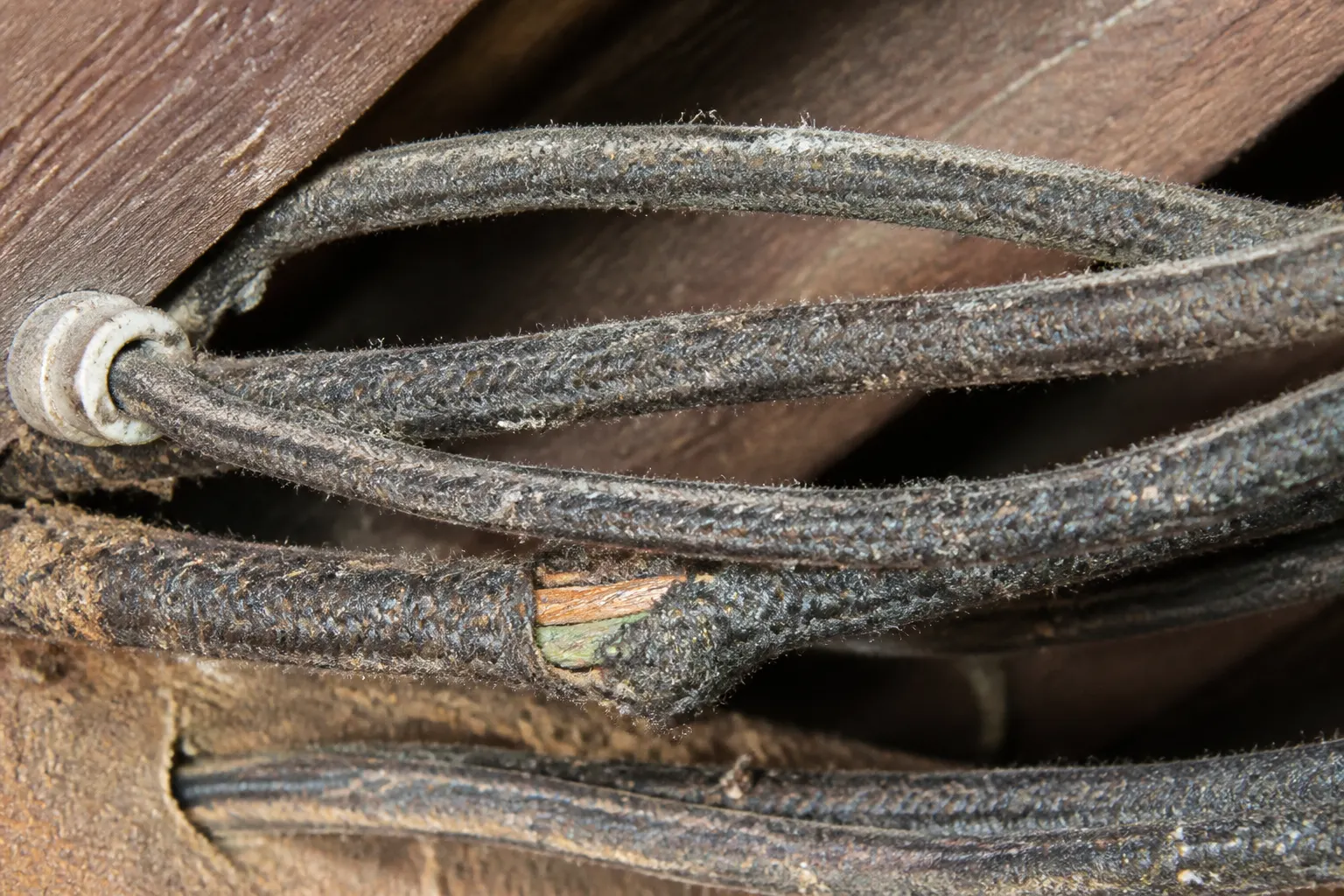
The form has checkboxes for cloth wiring, active knob and tube, and branch circuit aluminum wiring. Knob and tube is a decline at nearly every standard Florida carrier. Cloth-jacketed wiring from the 1950s and 1960s gets declined by some and questioned by others, usually because the insulation in a hot Tampa attic has gone brittle.
Single-strand aluminum branch wiring, common from the mid-1960s through the 1970s, has its own rule. The form asks whether connections were repaired with COPALUM crimps or AlumiConn connectors, and Citizens wants separate documentation of the remediation, certified by a licensed electrician. Some carriers accept repaired aluminum and some only accept a rewire. Ask your agent which before you pay for either. Our wiring page explains rewiring an occupied house.
Smaller electrical hazards
Not every flag means a new panel. Double taps, where two wires share a breaker terminal made for one, are a common note. So are open breaker slots, loose wires, scorch marks, a breaker too large for its wire, and missing grounding. An electrician can often fix these in one visit, ideally before the photos.
An electrical safety inspection puts a licensed electrician on the panel before the 4-point inspector gets there. Insurers will not accept it in place of a 4-point, but it shows you what the inspector is likely to photograph.
Plumbing items that fail a 4-point inspection
The plumbing section covers pipe material, whether the house has been repiped, the water heater, and any sign of an active or prior leak. The inspector also rates fixtures and appliance connections, from the dishwasher and washing machine to the toilets and main shutoff.
Polybutylene and galvanized pipe
Polybutylene is a gray plastic supply pipe installed from about 1978 to 1995. Many Florida carriers either decline a house with it or write the policy with a water damage exclusion. The fix is a repipe, since spot repairs leave the rest of the system on the form. Our polybutylene guide for Tampa covers how to identify it and what replacing it involves.
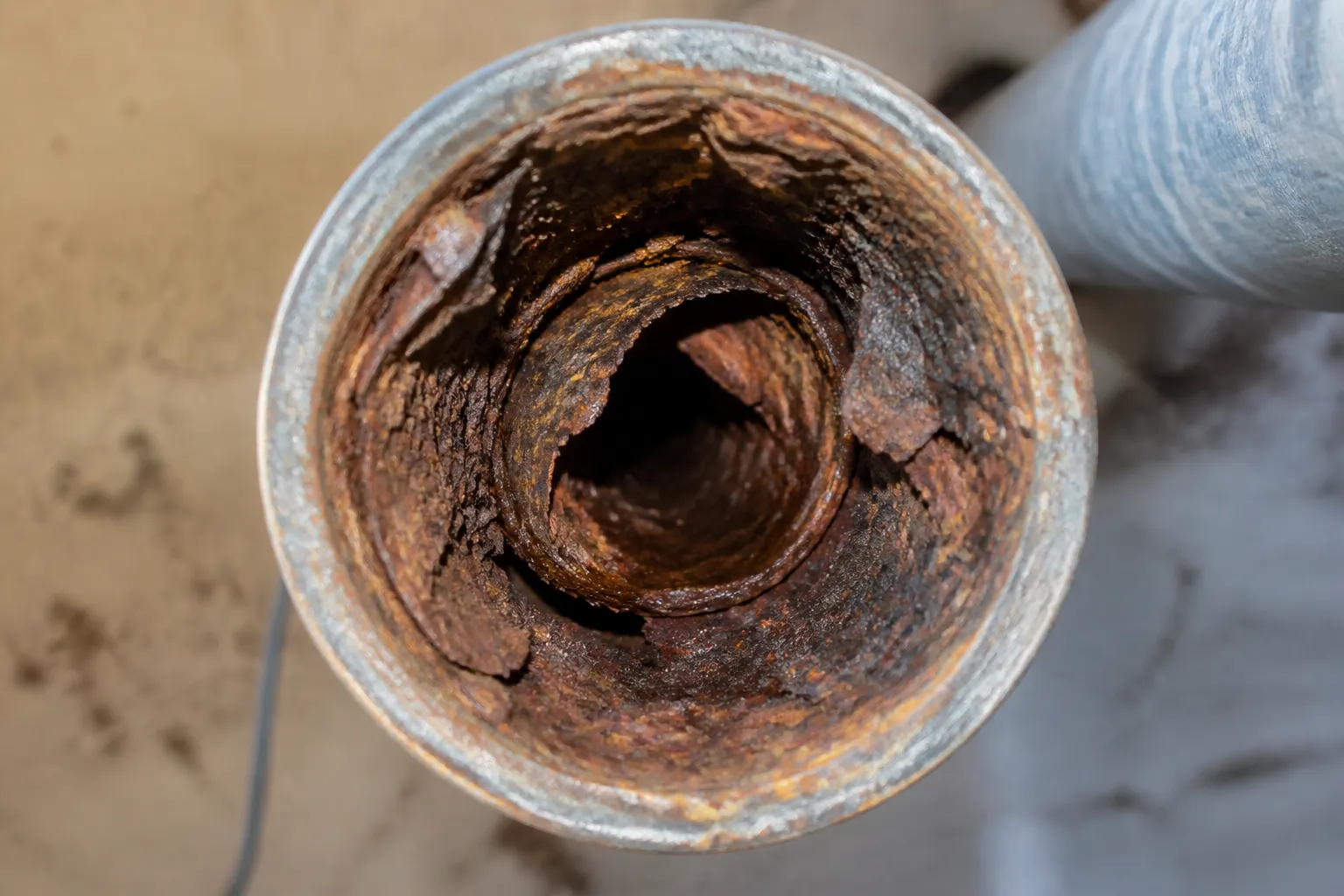
Galvanized steel supply pipe shows up in a lot of pre-1970 Tampa homes. It corrodes from the inside, and Tampa’s hard water speeds that up. Galvanized is not an automatic decline everywhere, but it narrows the list of carriers who will quote. A whole-house repiping in PEX or copper lets the inspector check “completely re-piped.”
Cast iron drains
Many 1950s and 1960s Tampa homes still have cast iron drains under the slab. The inspector mostly sees the exposed parts, such as rust, weeping joints, or stains under a sink, and some carriers narrow coverage when cast iron is in poor shape. A camera inspection shows the condition of the lines under the slab before you replace anything.
Water heater age, relief valve, and pan
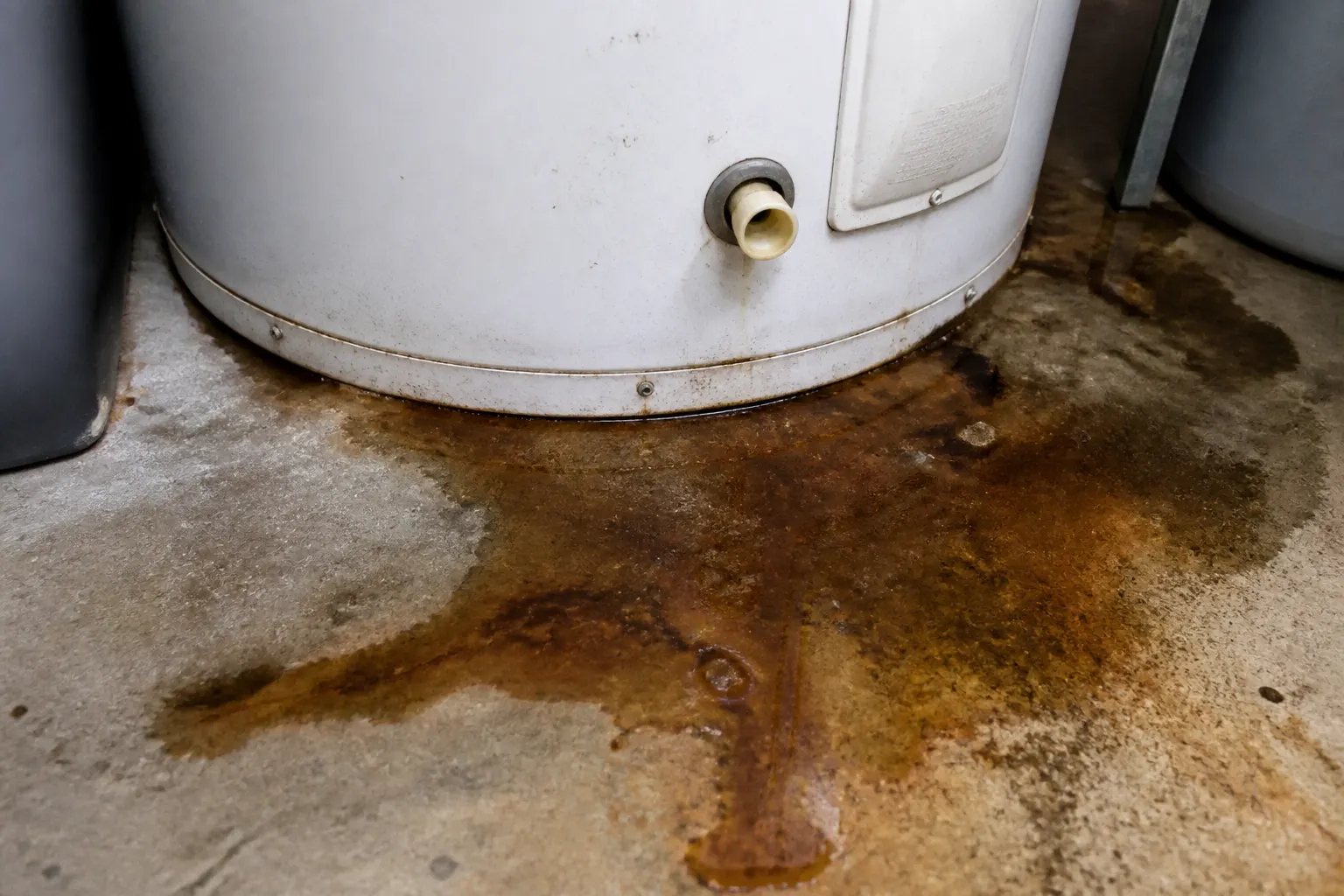
The form asks whether the water heater has a temperature and pressure relief valve, and carriers read the age off the data plate. WeShopInsurance, a Florida agency, says tanks past 18 years are a consistent flag. Rust at the base, a missing relief valve discharge line, or water stains next to the tank go in the comments.
A tank that is old, leaking, or missing its relief valve setup is usually easier to replace than to explain to an underwriter. A permitted water heater replacement gets you a new data plate, a code-compliant relief valve discharge, a drain pan where the location needs one, and a dated invoice.
Active leaks
Citizens says serious hazards such as exposed wiring, active leaks, or evidence of leaks should be repaired before an application is submitted. A dripping supply line under the kitchen sink, a toilet that rocks on a wet floor, or a weeping shutoff valve can all end up in the photos. These are usually small repairs, so fix them before the inspector arrives.
Common 4-point fail items by system
| System | What gets flagged | Usual fix |
|---|---|---|
| Electrical | Federal Pacific Stab-Lok, Zinsco, or Challenger panel | Panel replacement, permitted |
| Electrical | Fuse box or 60-amp service | Panel and service upgrade |
| Electrical | Knob and tube or cloth wiring | Rewire affected circuits |
| Electrical | Single-strand aluminum branch wiring | COPALUM or AlumiConn remediation with an electrician’s certification, or a rewire |
| Electrical | Double taps, open slots, scorching, wrong breaker size | Panel repair |
| Plumbing | Polybutylene supply pipe | Whole-house repipe |
| Plumbing | Galvanized supply pipe | Repipe in PEX or copper |
| Plumbing | Cast iron drains in poor condition | Camera inspection, then repair or replace |
| Plumbing | Old water heater or missing relief valve setup | Water heater replacement |
| Plumbing | Active or prior leaks | Repair the leak before re-inspection |
| Roof, HVAC | Age, damage, leaks | Licensed roofer or HVAC contractor |
What happens after a failed 4-point inspection
There is no official failing score. What happens next depends on the carrier.
- The carrier declines. Another carrier may take the same report. An independent agent can shop it.
- The carrier writes it with an exclusion. For example, a policy that excludes water damage tied to polybutylene.
- The carrier makes a conditional offer. It will write or keep the policy once a named repair is done. The agent tells you the deadline.
Call your agent first and ask which item was flagged and what proof the carrier wants. After the repair, send an updated 4-point or the documents your agent asked for. After a panel replacement or a repipe, many carriers want a new 4-point.
Paperwork that helps
The Citizens form’s comments section has to list updates, when they were done, and by whom. Hand the inspector these:
- The permit number and the final inspection from the City of Tampa, Hillsborough, Pinellas, or Pasco
- An invoice that names the work, the date, the address, and the contractor’s state license number
- For aluminum wiring, a written certification from the licensed electrician who did the remediation
- For a repipe, what was replaced and in what material, so the inspector can check “completely re-piped”
- The new water heater’s data plate, which shows the manufacture date
Keep copies. The same paperwork helps at the next renewal and when you sell.
How Titan helps after a 4-point
We are a Tampa plumbing and electrical contractor at 8407 N Mitchell Ave, family-owned since 1994. One company holds both licenses, so if your report flags a Federal Pacific panel and polybutylene pipe, you get both fixed under one schedule with both license numbers on the paperwork.
Send us the page of the report that lists the flags. We quote a flat rate before any work starts, pull the permits, and give you invoices written for the insurer. Same-day visits happen when the schedule allows, Monday through Saturday, across Tampa, Hillsborough, Pinellas, and Pasco. Call (813) 933-8010.
4-Point Inspection FAQs
What is done during a 4-point inspection in Florida?
A licensed inspector records the age, type, and condition of the roof, electrical, plumbing, and HVAC and photographs each one, plus every hazard found. The Florida DFS guide says it generally takes about an hour.
Who can perform a 4-point inspection in Florida?
A verifiable Florida-licensed professional. Citizens’ form lists general, residential, or building contractors, building code inspectors, and home inspectors as examples. A licensed tradesperson can sign only the section for their trade, so an electrician can sign the electrical section and nothing else.
How much does a 4-point inspection cost in Florida?
The Florida DFS guide says a standalone 4-point typically runs $100 to $300. Kin puts it at $75 to $200. It is often cheaper when bundled with a full home inspection. Repairs that come out of it are a separate cost.
Do you have to have a 4-point inspection in Florida?
If your insurer asks for one, yes. Citizens requires it on homes more than 20 years old, and private carriers set their own cutoffs, often between 20 and 40 years. A purchase, a carrier switch, or a renewal can trigger it.
What happens if my house fails a 4-point inspection?
The carrier may decline, add an exclusion, or make a conditional offer that requires a repair. Fix the flagged item, keep the permit and invoice, and send what your agent asks for.
How long is a 4-point inspection good for?
It depends on the carrier. The DFS guide says the report generally has to be dated within 30 days of the insurance application, and Kin says many insurers accept one for up to a year. Ask your agent before you schedule.
Need help with this?
Talk to a real Tampa dispatcher.
Same-day service, flat-rate pricing, A+ BBB rated since 1994.