

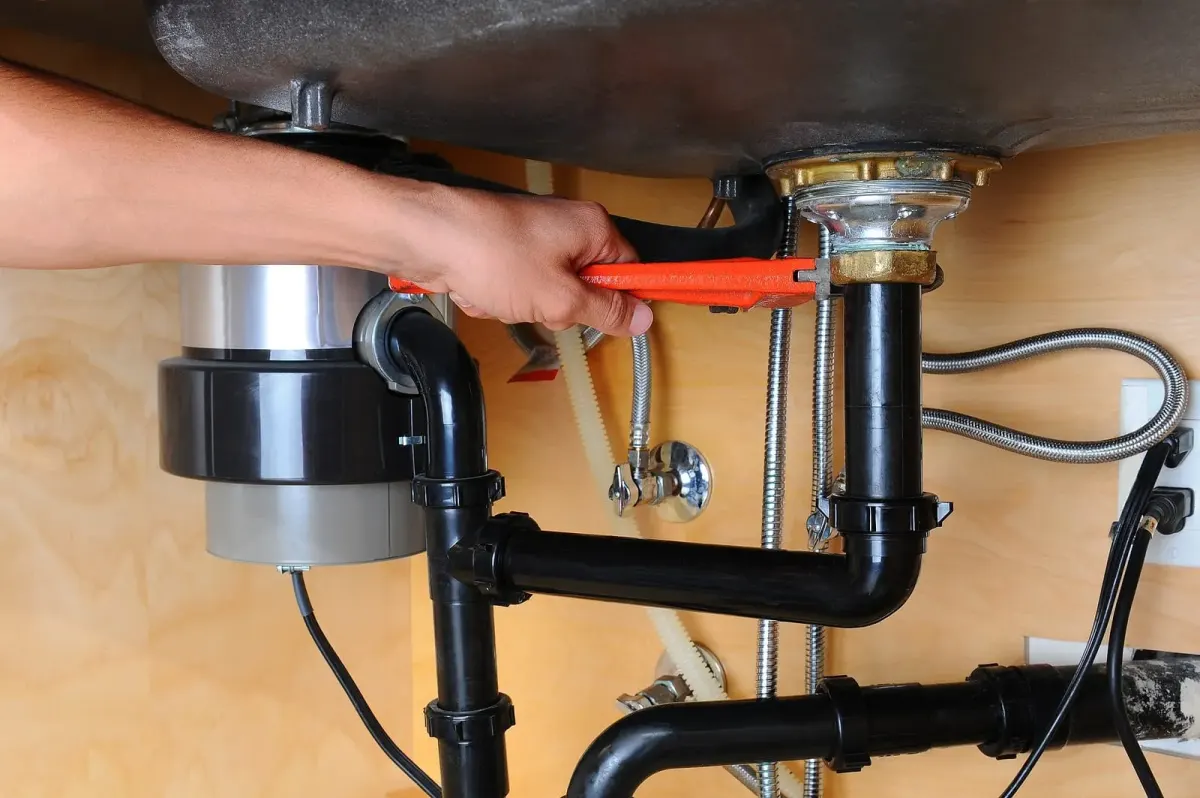
Backflow Testing & Certification in Tampa, FL
If your Tampa property has an irrigation system, a pool, a fire-suppression line, or any commercial water connection, your utility almost certainly requires a certified backflow test every single year, and missing it can mean a fine or a shutoff notice. Titan Plumbing and Electric handles the whole thing: the annual test, any repair the assembly needs, the paperwork, and the filing with your utility, so you stay compliant without having to think about it.
We have been certified backflow testers across Tampa Bay since 1994. The reason behind all of it is simple, keeping the water you drink, cook with, and bathe in from being contaminated by water that has flowed backward out of a sprinkler line, a boiler, or an industrial connection.
What Backflow Is and Why It Matters
Your water is supposed to travel one direction only, from the utility main into your home. Backflow is what happens when that flow reverses and pulls used or contaminated water back into the clean supply. It happens more easily than most people think, usually in one of these ways:
A backflow preventer is a one-way valve that stops this, but like any valve it wears out, and the only way to know it still works is to test it. That is why the test is required on a schedule rather than only when something already looks wrong.
- Back-siphonage: a pressure drop in the main, often from a water main break or heavy firefighting demand, pulls water backward
- Back-pressure: a pump, a boiler, a water heater, or a tankless water heater pushes water back toward the supply
- Cross-connections at irrigation heads, pool fills, and hose bibs left sitting in standing water
Who Needs Annual Backflow Testing in Tampa
The City of Tampa and the surrounding Hillsborough and Pinellas utilities require annual certified testing on any assembly that protects a cross-connection. If you are not sure whether yours applies, we can check your setup in a few minutes. The common ones:
- Irrigation and lawn-sprinkler systems
- Pool and spa auto-fill lines
- Fire-suppression and sprinkler lines
- Restaurants, medical offices, and any commercial connection
- Multi-tenant and industrial properties
What Happens During a Backflow Test
The test itself is quick and non-destructive. We attach a calibrated gauge to the assembly, close and open the valves in sequence, and measure whether each check valve and relief valve holds pressure the way it is supposed to. Water is off for only a few minutes, and when the assembly passes we file the certification with your utility the same day. The steps:
- Calibrated-gauge test of each check and relief valve
- A short water shutoff, usually under fifteen minutes
- Pass or fail documented on the spot
- Certification filed directly with your utility
- A reminder set so next year does not sneak up on you
When an Assembly Fails: Repair, Rebuild, or Replace
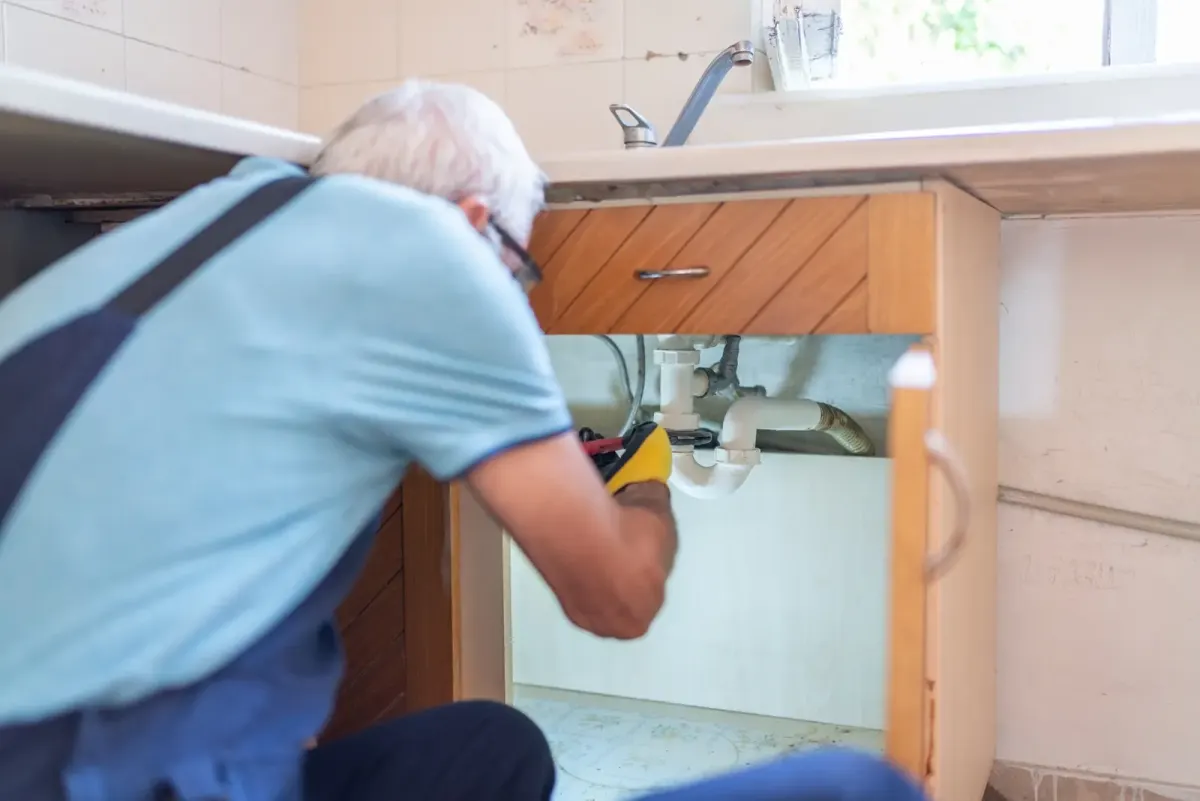
Assemblies fail, that is the whole reason annual testing exists. Rubber seats harden, springs weaken, and debris from the line fouls the checks. When yours fails, we do not just hand you a failing report and leave; we carry common rebuild kits and can usually repair or rebuild the assembly on the same visit, retest it, and file the passing result. If the unit is too far gone or undersized, we replace it with a properly sized assembly to code.
Old supply plumbing makes failures more likely, so if your home still runs aging galvanized pipe, the conversation sometimes widens into a water line repair or a broader repiping job to get the whole system back to reliable.
It is also worth knowing why this is not a DIY job. Reading a differential pressure gauge correctly, sequencing the valves without trapping air, and certifying the result all require training and a calibrated tester that the utility recognizes, which is why most jurisdictions only accept results from a licensed, certified tester. We carry the certification, the calibrated gauge, and the rebuild parts on the truck, so in most cases the test, the repair, and the filing happen in one visit instead of three.
Signs Your Water May Be Contaminated
Between annual tests, a few warning signs are worth a same-week call, because they can mean the preventer has failed or a cross-connection has opened up:
Some of these overlap with other plumbing problems, which is the useful part of calling us, we can tell the difference quickly.
- Discolored water, brown, yellow, or pink, at the tap
- A sulfur or rotten-egg odor
- Rust flecks or sediment in the water
- Sudden pressure changes or interruptions in service
- Slow drains and odd water-level swings around the house
How Backflow Connects to the Rest of Your Plumbing
A backflow problem rarely lives alone, and the symptoms it shares with other issues are exactly why one company that does it all is worth having. A spike in your bill with no backflow fault often means a hidden leak our water leak detection equipment can pinpoint. Taste and odor that survive a passing test usually call for a whole-home water filtration system, and the scale that fouls valves in the first place is the work of Tampa hard water that a water softener keeps in check. A constantly running water heater can hint at thermal expansion problems near the assembly, persistent slow drains are a separate drain cleaning job, and a contamination source on the waste side can trace back to the sewer line.
For businesses, we roll annual backflow testing into a wider commercial plumbing maintenance plan alongside scheduled hydro jetting, and when contamination is active our emergency plumbing crew responds the same day. From South Tampa to Carrollwood, our licensed plumber and certified-tester crews keep Tampa water flowing the right direction.