

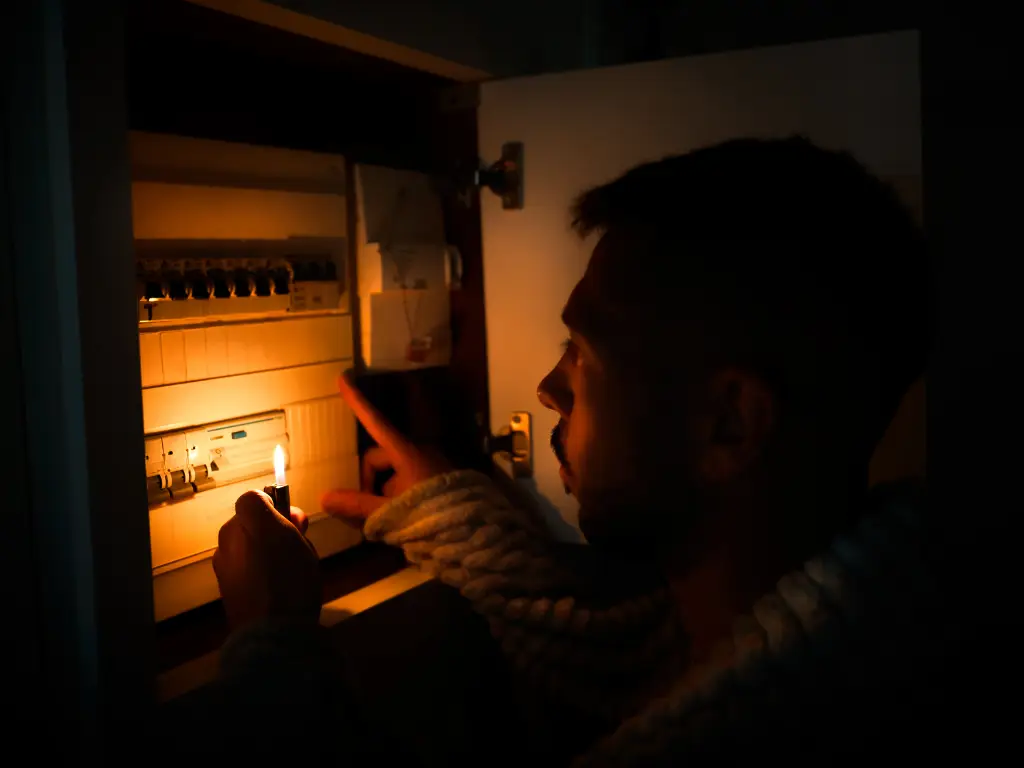
Florida has more power outages than most states — hurricanes, tropical storms, afternoon thunderstorms that roll through with little warning, and the simple reality that a power grid serving a densely populated peninsula during peak summer demand is under constant pressure. If you live in Tampa or the surrounding areas, experiencing a power outage is not a question of if — it is a question of when.
Having a plan in place before the lights go out is the single most useful thing any homeowner can do. This checklist covers what to do during an outage, how to protect your home and appliances, and how to know when the situation calls for professional help once power is restored.
Immediately After the Power Goes Out
When the power cuts out, the first few minutes matter. The decisions you make right away affect both your safety during the outage and the condition of your home when the lights come back on.
Step 1: Assess the Scope
Is it just your home, or is it the whole neighborhood? Step outside briefly and look at nearby homes and streetlights. If the whole block is dark, the outage is larger than your house. If only your home is out, check your circuit breaker panel — a tripped breaker may be the culprit, and it is worth taking a look before assuming the worst.
Step 2: Unplug Major Appliances and Electronics
Power surges when electricity is restored can damage sensitive electronics — televisions, computers, game consoles, and appliances like refrigerators and washing machines. Unplug the things you can reach easily, or use surge protector power strips for the things that are harder to get to. Leave one light on so you know when power has been restored.
Step 3: Use Flashlights, Not Candles
Candles are a fire hazard in the best of circumstances. During an outage when people are moving around a dark house, possibly with children or pets, candles are an unnecessary risk. Keep flashlights in accessible places throughout the house — kitchen drawer, master bedroom, and hallway — and make sure they have fresh batteries.
Food Safety During an Outage
Florida summers are hot, and without air conditioning, the temperature inside a closed home can reach unsafe levels quickly. Food safety is a real concern during longer outages.
The Two-Hour Rule
Food that has been refrigerated at 40°F or below is safe for about two hours in a closed refrigerator after the power goes out. After that window, the risk of bacterial growth increases significantly. A full freezer holds its temperature for about 48 hours if kept closed; a half-full freezer will last roughly 24 hours.
What to Do With Your Fridge and Freezer
Keep the refrigerator and freezer doors closed as much as possible. If the outage looks like it will be extended, move your most perishable items — raw meats, dairy, leftovers — to a cooler with ice. A garage or basement that is cooler than the rest of the house can serve as temporary cold storage, but monitor those items closely once power is back.
When to Discard Food
If the power has been out for more than four hours and the refrigerator doors have been opened repeatedly, it is safer to discard perishable foods. When in doubt, throw it out. A spoiled item is far less expensive to replace than a foodborne illness.
Protecting Your Home’s Electrical System
Power outages themselves rarely cause electrical damage. The risk comes from what happens when power is restored — specifically, power surges that can travel through your wiring and damage anything connected to it.
Whole-Home Surge Protection
If your home has a whole-house surge protector installed at the electrical panel, it is doing important work right now — and will continue to protect you when power comes back. These devices are installed directly in the panel and intercept surges at the source before they reach your outlets and appliances.
If you do not have whole-home surge protection, now is a good time to understand what it does and consider having it installed. Our team handles whole-home surge protector installation throughout the Tampa area.
What Not to Do During an Outage
Do not use a generator indoors or in a garage, even with the door open. Generators produce carbon monoxide, and enclosed or partially enclosed spaces allow the gas to build up to lethal levels. Place the generator at least 20 feet from the house, pointed away from windows and doors.
Do not try to backfeed your house by plugging a generator into a wall outlet. This is illegal in most jurisdictions and is extremely dangerous to utility workers who may be working on the lines believing them to be dead.
When the Power Comes Back On
Power restoration can be just as eventful as the outage itself. Here is how to handle the moments after the lights come back.
Let the Grid Stabilize First
When power is restored after a widespread outage, utility companies often bring the grid back online in stages. If your power comes back but your neighbor’s is still out, the grid in your area may still be normalizing. Leave major appliances and electronics unplugged for a few minutes to let the system settle.
Check Your Circuit Breaker Panel
If certain circuits in your home are not working after power is restored but your neighbors have full power, check your panel. A circuit that tripped during the outage may need to be manually reset. If a breaker will not reset or immediately trips again, there may be a fault on that circuit that needs professional attention.
Inspect for Damage
Once the immediate rush is over, take a walk through the house and check for anything that looks out of place — scorch marks on outlets or switches, the smell of burning plastic near the panel, flickering lights that do not stabilize, or buzzing sounds coming from the panel. These are all signs that something may have been damaged during the outage or surge and needs to be looked at by an electrician.
How to Prepare Before the Next Outage
The best time to prepare for a power outage is before one happens. A few practical steps taken now can make a significant difference when the next storm comes through.
- Keep a preparedness kit — Flashlights with fresh batteries, a battery-powered radio, a first aid kit, a week’s worth of prescription medications, and bottled water. A portable phone charger that can be charged before a storm is also essential.
- Consider a standby generator — A whole-home standby generator automatically kicks in when grid power is lost. Unlike portable generators, these do not require you to be home or manually set them up during a storm.
- Install whole-home surge protection — This is one of the most cost-effective protections you can add to your electrical panel, and it guards everything in your home — not just the items plugged into power strips.
- Know where your circuit breaker panel is — In an emergency, you do not want to be searching for it in the dark. Make sure every adult in the household knows where the panel is and how to reset a tripped breaker.
Services We Offer
Our electrical team works with homeowners throughout the Tampa Bay area on everything from routine safety inspections to emergency service after a power outage has caused damage to a home’s electrical system. We also help homeowners prepare before the next storm hits:
- Emergency electrical repair — If an outage left you with a sparking outlet, a non-resetting breaker, or damage to your panel, we respond quickly to address the situation.
- Circuit breaker panel inspection and upgrade — An aging or damaged panel can be a serious safety issue, particularly after an outage that may have exposed weaknesses in the system.
- Whole-home surge protection — Installed at the panel level, surge protectors guard every outlet, light fixture, and appliance in your home from the surges that accompany power restoration.
- Standby generator installation — We install home standby generators that automatically restore power within seconds of a grid failure, with no action required from you.
- Electrical safety inspections — After a significant storm event, having an electrician walk through your home’s electrical system can identify damage you may not be able to see from the outside.
Learn more about our electrical services or contact us to discuss preparing your home for Florida’s storm season.
Areas We Serve
We are a locally operated electrical and plumbing company serving homeowners throughout the Tampa Bay region. Our electrical crews are experienced with the specific challenges Florida’s climate and storm patterns create for home electrical systems — from hurricane-force winds to the power surges that follow grid restoration:
- Tampa
- Carrollwood
- New Tampa
- Lutz
- Odessa
- Land O’ Lakes
- Citrus Park
- South Tampa
- Westchase
- Temple Terrace
- And all surrounding communities
Not sure if we cover your area? View our complete service area listing or get in touch and we will confirm right away.
FAQ — Power Outages in Florida
How long can food stay safe in the refrigerator during a power outage?
Food in a refrigerator that has been kept closed will typically stay safe for about two hours in summer conditions. After that, bacteria begin to multiply rapidly. If the outage lasts longer than two hours, transfer perishable items to a cooler with ice or discard them if there is any question about their safety.
Should I turn off my circuit breakers during a power outage?
It is a reasonable precaution to turn off circuits for appliances and electronics you cannot unplug, particularly anything that generates heat — ovens, dryers, space heaters. This reduces the risk of overload when power is restored. However, leave one circuit on so you can see when power comes back.
Can a power outage damage my electrical panel?
The outage itself typically does not damage the panel. The risk comes from power surges when the grid is restored — sudden jumps in voltage can stress breakers, damage wiring, and destroy connected devices. Whole-home surge protection at the panel level is the most effective defense against this.
My power is back but certain outlets do not work. What do I do?
Start by checking your circuit breaker panel. A circuit that was overloaded may have tripped and needs to be manually reset. If a breaker resets fine but the outlets still do not work, or if resetting the breaker causes it to trip immediately again, call an electrician. There may be a fault on that circuit that needs professional repair.
Is it safe to use my gas stove for heat during a power outage?
No. Gas stoves are not designed for heating and can produce carbon monoxide as well as pose a fire risk. Never use a gas oven, gas range, or any fuel-burning appliance as a heating source during an outage.
How can I prepare my home for hurricane season if I have an older electrical panel?
If your home has an older panel — particularly one that is warm to the touch, makes buzzing sounds, or has frequent breaker trips — have it inspected before storm season. An upgrade to a modern panel with adequate capacity for your home’s current electrical load is one of the best investments you can make in your home’s safety. We handle circuit breaker panel upgrades throughout the Tampa area.
Need emergency electrical service after a power outage? Our team is available. Contact us online or call and we will send someone out as quickly as possible. We serve homeowners throughout Tampa and the surrounding communities.
Titan Plumbing & Electric | Serving Tampa and surrounding communities | View all service areas
Need help with this?
Talk to a real Tampa dispatcher.
Same-day service, flat-rate pricing, A+ BBB rated since 1994.